
St. Johns County fleet system wins national GIS award, tracks 1,300 vehicles
An in-house fleet management system built by county staff earned top national honors and now coordinates maintenance and replacement for everything from fire engines to bookmobiles across 41 departments.
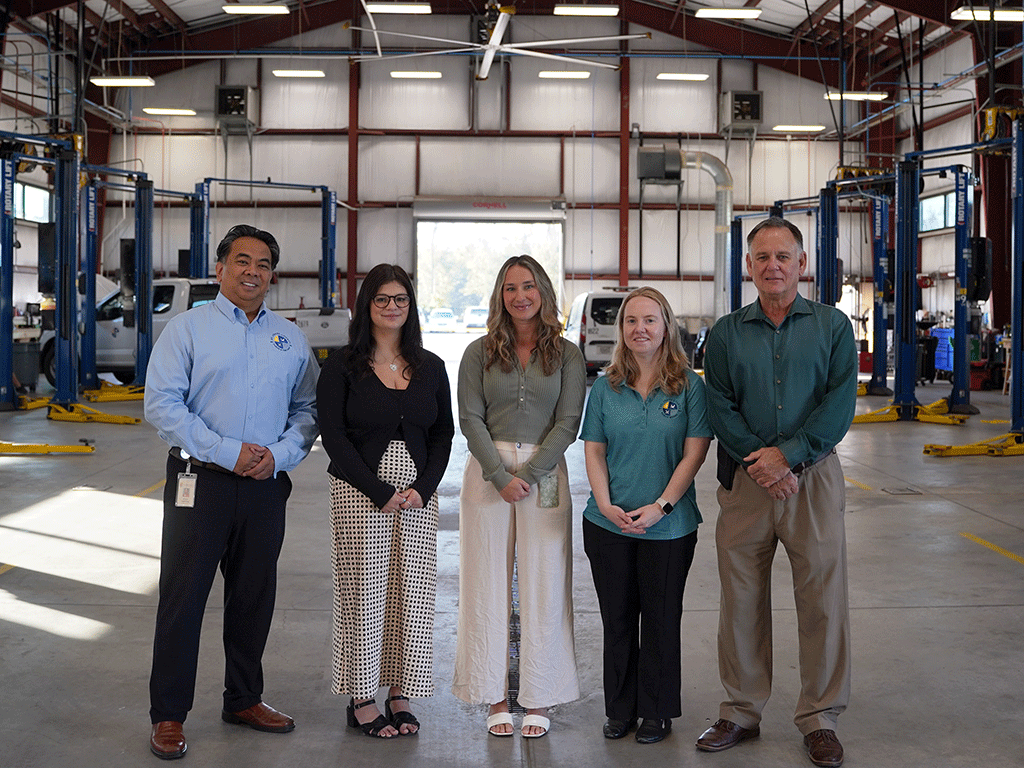
St. Johns County Public Works has earned a top national award for a fleet management system that tracks and coordinates maintenance on more than 1,300 vehicles and pieces of equipment across 41 county departments. The geographic information system (GIS)–powered platform, developed in-house by county staff, received the 2026 Exemplary Systems in Geospatial (ESIG) Award from the Geospatial Professional Network, the highest recognition in the Single Process System category and the only system awarded that designation in the category this year.
The system brings vehicle records, maintenance schedules, repair histories, GPS information, and replacement planning into a single coordinated platform. It manages assets ranging from fire engines and heavy construction equipment to bookmobiles and all-terrain vehicles that deliver county services throughout St. Johns County.
What's happening
According to the county, the system was developed through collaboration among Public Works GIS, Fleet Management, Management Information Systems, and the Office of Management and Budget. It combines GIS technology with the county's enterprise asset management system and other operational data to give technicians, supervisors, and department staff access to maintenance needs, vehicle condition, service histories, and operational information through interactive dashboards.
County employees developed the system primarily using existing software and equipment, avoiding the expense of purchasing a separate fleet management system. The Office of Public Affairs produced a video highlighting the system and its benefits to county operations and residents.
The system supports more than 1,300 vehicles and pieces of equipment across 41 county departments. Since implementation, the platform has delivered measurable improvements in several areas:
Preventive maintenance work orders increased from 1,677 to 2,221 over one year, supported by integrated dashboards and an in-house scheduling application. A standardized vehicle condition model supported more than 150 vehicle replacement approvals in the fiscal year preceding the application. GPS-equipped assets increased from 150 to 531 across 41 departments, providing greater insight into vehicle locations, activity, and maintenance needs.
"This system really ensures that our residents within St. Johns County are getting reliable service from our fleet division and the departments across the county," said Summer Manestar, Public Works Information Systems Analyst, in the county's announcement.
The vehicle replacement model evaluates age, mileage, repair costs, and condition to help staff identify when equipment should be replaced. The county says this approach gives county leadership a consistent basis for prioritizing purchases and planning future budgets while considering the long-term cost of maintaining each vehicle.
How residents benefit from better fleet tracking
For residents, the most direct impact of the fleet system is improved reliability of county services. When fire engines, public-works trucks, library bookmobiles, and emergency-response equipment are better maintained and available when needed, service interruptions are less likely. Preventive maintenance schedules—which increased by more than 30 percent in the year following the system's implementation—help catch mechanical issues before vehicles break down in the field or during emergency calls.
The system's GPS tracking component, which now covers 531 assets across 41 departments, also supports faster response times and more efficient routing for services such as road maintenance, debris removal, and emergency response. When dispatchers and supervisors can see where equipment is located in real time, they can send the nearest available unit rather than relying on radio check-ins or last-known positions.
In a fast-growing county like St. Johns—which has consistently ranked among Florida's fastest-growing by percentage—the ability to coordinate a large and diverse fleet across expanding service areas becomes increasingly important. As new subdivisions and commercial centers open along corridors such as CR 210, SR 16, and the Nocatee area, county equipment must cover more ground, and maintenance downtime has a wider ripple effect on service delivery.
What it means for taxpayers and county budgets
The fleet system advances what the county calls responsible use of resources by standardizing replacement decisions and avoiding the cost of a commercial fleet management platform. Building the system in-house using existing GIS software, enterprise asset management tools, and county staff expertise allowed St. Johns to tailor the platform to its specific operational needs without a major capital outlay or recurring vendor licensing fees.
The vehicle replacement model is particularly significant for long-term budget planning. By evaluating age, mileage, repair costs, and condition in a consistent framework, the system gives county leadership and the Office of Management and Budget a data-driven basis for deciding which vehicles to replace each fiscal year. This approach helps avoid both premature replacement—which wastes the remaining useful life of an asset—and deferred replacement, which can lead to escalating repair bills and service interruptions.
The county approved more than 150 vehicle replacements in the fiscal year preceding the application using the standardized condition model. In a county fleet of more than 1,300 assets, systematic replacement planning is essential to smoothing capital expenditures and avoiding sudden budget spikes when multiple vehicles age out simultaneously.
The increase in preventive maintenance work orders—from 1,677 to 2,221 in one year—also has budget implications. Preventive maintenance, such as oil changes, brake inspections, and fluid flushes, is far less expensive than emergency repairs or catastrophic failures. Regular servicing extends the useful life of vehicles and equipment, deferring replacement costs and reducing total cost of ownership over time.
Coordination across 41 departments and varied equipment types
One of the system's most notable features is its breadth: it supports 41 county departments with widely varied equipment needs. Fire-rescue departments maintain pumper trucks, ladder trucks, and emergency medical vehicles with demanding service schedules and strict safety standards. Public works operates heavy equipment such as graders, excavators, and dump trucks that see harsh working conditions. The library system runs bookmobiles that bring services to underserved areas. Parks and recreation manage all-terrain vehicles and mowers for trail and facility maintenance.
Before the GIS-powered system, coordinating maintenance, tracking locations, and planning replacements across such a diverse fleet required separate spreadsheets, manual logs, and siloed information. The integrated platform consolidates that data, giving fleet managers and department supervisors a single source of truth for vehicle status and service history.
"Everybody working together team-wise throughout the County has just been phenomenal," said Jeffrey Nordsiek, Public Works Fleet Maintenance Manager, in the county's announcement. "You want to make sure you're running the most efficient operation that you can. "
The collaborative development process—involving Public Works GIS staff, Fleet Management, Management Information Systems, and the Office of Management and Budget—reflects the cross-functional coordination required to design a system that serves such a wide user base. Each department has different operational priorities and reporting needs, and the GIS platform's interactive dashboards allow staff to access the information most relevant to their roles without overwhelming them with unnecessary detail.
National recognition and the ESIG Award process
The ESIG Awards, presented by the Geospatial Professional Network, recognize organizations that use geospatial technology to improve services and deliver measurable benefits to the people they serve. Entries are evaluated on system design and implementation, organizational impact, and use of resources.
St. Johns County's fleet system earned the Exemplary System designation, the highest recognition in the Single Process System category, and was the only system to receive that designation in the category this year. The Single Process System category typically recognizes GIS applications focused on a specific operational workflow rather than enterprise-wide platforms.
The award validates the county's approach of building on existing technology investments—GIS software already in use for land-use planning, infrastructure mapping, and emergency management—and extending those tools into fleet operations. Many local governments purchase turnkey fleet management systems from commercial vendors, which offer out-of-the-box functionality but often require costly customization to fit local workflows and integrate with existing databases.
St. Johns County's decision to develop the system in-house required upfront staff time and technical expertise but resulted in a platform tailored to the county's specific needs and seamlessly integrated with other enterprise systems. The national recognition suggests that approach is gaining traction as a best practice for local governments with strong internal GIS and IT capabilities.
How the system fits St. Johns County's growth trajectory
St. Johns County has been one of Florida's fastest-growing counties for years, driven by top-rated schools, master-planned communities such as Nocatee and RiverTown, and an influx of residents seeking affordability and quality of life. That growth translates directly into expanded service demands: more road miles to maintain, more parks and facilities to manage, more emergency calls to answer, and more library patrons to serve.
As the county's population and geographic footprint expand, so does the size and complexity of its vehicle fleet. New fire stations, public-works yards, and satellite facilities require additional equipment, and the distances vehicles must travel to reach service calls increase. A fleet management system that improves maintenance schedules, tracks asset locations, and supports data-driven replacement decisions becomes not just a convenience but a necessity for maintaining service levels without proportionally increasing staff or budget.
The system advances the St. Johns County Strategic Plan priority of Organizational Excellence by improving efficiency, strengthening coordination, and supporting responsible management of county resources, according to the county's announcement. As growth continues along corridors such as CR 210 and SR 16, and as new residential and commercial development fills in rural areas of the county, the ability to manage a large, diverse, and geographically dispersed fleet will remain a critical operational challenge—and the GIS-powered platform now recognized with a national award offers a scalable framework for meeting that challenge.