
St. Johns County libraries return Food for Fines program
The annual initiative lets library patrons reduce overdue fines by donating nonperishable food items to help local families facing food insecurity.
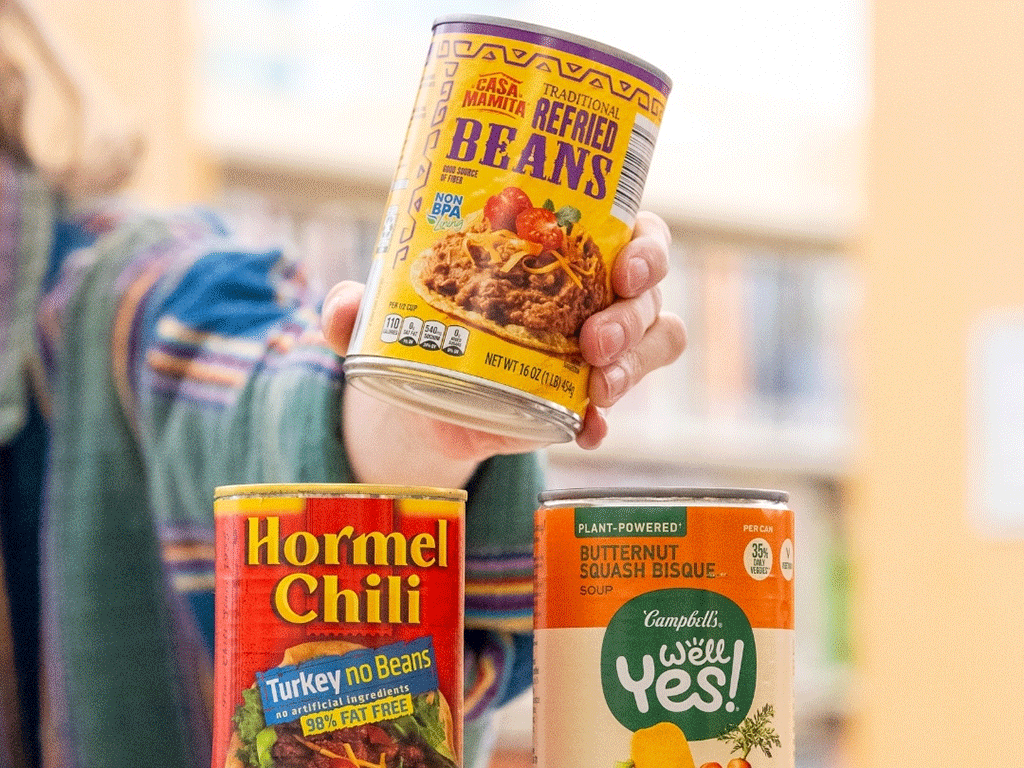
The St. Johns County Public Library System will open its annual Food for Fines program on November 16, giving library patrons a five-week window to clear overdue fines by donating food to local families in need.
Running through December 19, the program allows patrons to reduce their overdue fines by $2 for each unexpired, nonperishable food item they donate at any library branch in the county system. All donations will stock the St. Johns County Health and Human Services Food Pantry.
What's happening
The 2026 Food for Fines program begins Monday, November 16, and continues through Saturday, December 19. The county announced the initiative on November 13.
Under the program's terms, each donated food item reduces a patron's overdue fines by $2. Eligible items must be unexpired and nonperishable. Fees for lost or damaged library materials do not qualify for reduction through the program.
Community members may donate food regardless of whether they carry outstanding library fines. All donated items will go to the St. Johns County Health and Human Services Food Pantry, which serves county residents experiencing food insecurity.
The program has run annually since 2009, according to Debra Rhodes Gibson, director of the St. Johns County Public Library System. "Since we first launched Food for Fines in 2009, the community has gotten behind the program, showing incredible support for their neighbors year after year," Gibson said in the county's announcement. "Each donation helps local families experiencing food insecurity, and for that, we are thankful to our library patrons who continue to make Food for Fines possible. "
How the program addresses food insecurity in a fast-growing county
St. Johns County ranks among Florida's fastest-growing counties, adding thousands of residents each year as families move in seeking top-rated schools and relative affordability compared to coastal metros farther south. Rapid growth, however, does not distribute economic security evenly across a community, and the county Health and Human Services department operates a food pantry to serve residents who struggle with consistent access to food.
Food pantries typically see increased demand during the late fall and winter holiday season, when household budgets face competing pressures from heating costs, travel, and gift-giving. The Food for Fines program's November 16 to December 19 window aligns with this seasonal need, routing donated shelf-stable food directly to the county pantry during a high-demand period.
Programs that convert fines or fees into charitable contributions serve a dual purpose: they provide an avenue for residents who owe small debts to municipal services to clear those obligations, while directing resources to local social-service infrastructure. For library patrons who have accumulated overdue fines—sometimes over months or years—the $2-per-item credit offers a practical mechanism to restore borrowing privileges and eliminate outstanding balances.
At the same time, the open-donation structure means participation is not limited to those with fines. Any county resident can bring nonperishable food items to a library branch during the five-week window, broadening the base of potential donors beyond the subset of patrons with overdue accounts.
What the program means for library access and local budgets
Overdue fines function as both a revenue source and a behavioral incentive for public libraries, nudging patrons to return borrowed materials on time so that other users can access them. In practice, however, fines can also become barriers to access, particularly for lower-income households. A patron who owes $10 or $20 in overdue fees may avoid returning to the library altogether, reducing circulation and community engagement.
By offering a non-cash pathway to clear fines, Food for Fines addresses that access concern while maintaining an incentive for timely returns. The program does not waive fines outright—it exchanges them for a community benefit. Patrons who cannot afford to pay a cash fine may be able to purchase or donate a few canned goods, restoring their accounts to good standing.
The economic calculus for the library system is straightforward: the county foregoes $2 in fine revenue for each donated food item, but gains a tangible public good—nonperishable food delivered to the Health and Human Services pantry. Whether that trade-off nets positive value depends on how one weighs direct revenue against indirect social outcomes and the potential for renewed library engagement from patrons who clear their accounts.
Libraries across the United States have experimented with fine-amnesty programs, alternative-payment arrangements, and outright elimination of overdue fees in recent years, reflecting a broader re-evaluation of how fines affect library mission and equity. St. Johns County's model, running for nearly two decades, represents a middle path: fines remain in place year-round, but a seasonal program offers a structured alternative for patrons who wish to contribute to the community in a different form.
Who can participate and what items are accepted
Any member of the public may donate food at St. Johns County Public Library System locations during the November 16 to December 19 window. Donors do not need to hold a library card or have outstanding fines. Patrons with overdue fines will see a $2 credit applied to their account for each eligible item donated.
Eligible donations must be nonperishable food items that have not passed their expiration dates. Typical nonperishable items include canned vegetables, canned proteins such as tuna or chicken, pasta, rice, peanut butter, canned soup, cereal, and shelf-stable milk or juice. Food pantries generally cannot accept items in glass containers, open packages, or home-canned goods due to safety and handling constraints, though the county notice does not enumerate those specific restrictions.
Fees for lost or damaged library materials are explicitly excluded from the program. Only overdue fines—charges incurred when a patron returns a borrowed item after its due date—qualify for the $2-per-item credit.
The St. Johns County Public Library System operates multiple branch locations across the county, including the main library in St. Augustine and branches serving Ponte Vedra Beach, Anastasia Island, and growing inland communities along the County Road 210 corridor. Donations may be made at any branch during the program window.
What happens next
The Food for Fines program will run for five weeks, from November 16 through December 19. Patrons who wish to reduce overdue fines or contribute to the food drive can bring unexpired, nonperishable items to any St. Johns County Public Library System branch during that period.
After the program closes on December 19, all collected food will be transferred to the St. Johns County Health and Human Services Food Pantry for distribution to county residents. The library system has not published a cumulative total of food collected or fines forgiven since the program began in 2009, so it remains unclear how many pounds of food or how many patron accounts the initiative has affected over its 18-year run.
Patrons can check their account status and outstanding fines through the library system's online catalog. More information about the Food for Fines program and participating branch locations is available on the St. Johns County Public Library System website.
Programs like Food for Fines reflect the evolving role of public institutions in fast-growing communities, where libraries, health departments, and social services increasingly collaborate to address needs that extend beyond their traditional mandates. In a county adding thousands of new residents each year, maintaining social cohesion and supporting vulnerable households becomes both more urgent and more complex—and a five-week food drive anchored at neighborhood library branches offers one small, tangible mechanism for neighbors to help neighbors.
Sources
- St. Johns County: Annual Library Food for Fines Program Launching November 16