
Doug Crane Boat Ramp in St. Augustine to Close Six Weeks for Dredging
The Shore Drive facility will shut down completely Oct. 26 for maintenance dredging, closing parking and water access through early December during a key stretch of fall fishing season.
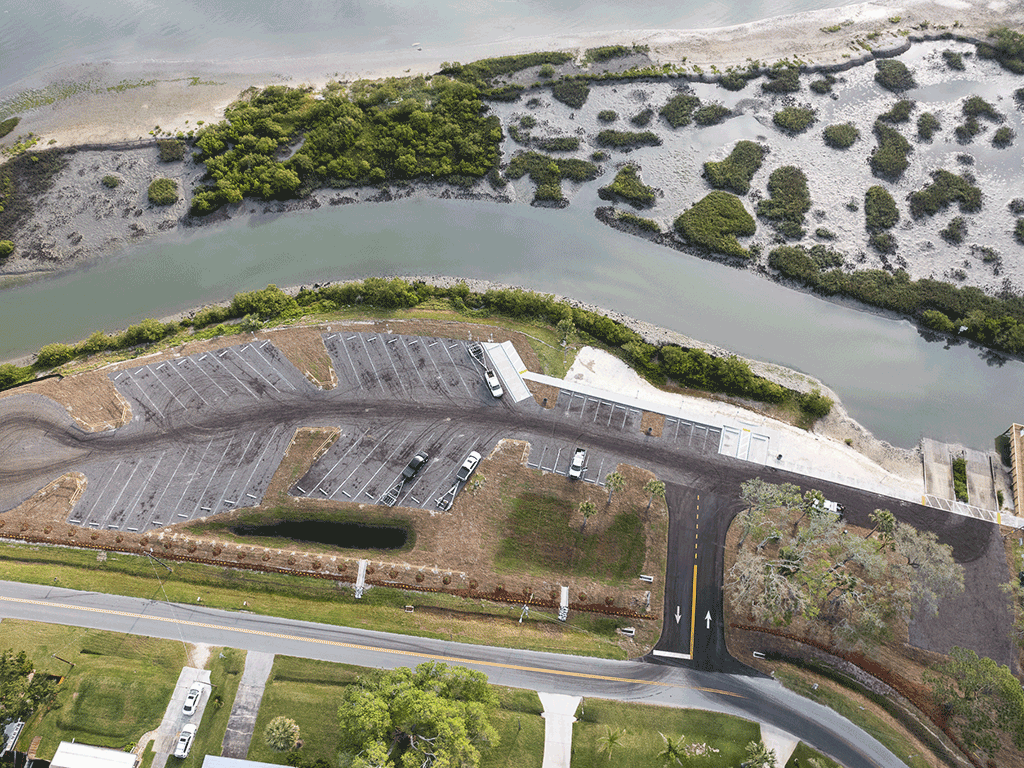
St. Johns County will close one of St. Augustine's public boat ramps for maintenance dredging starting Oct. 26, cutting off waterway access at the facility for about six weeks during the heart of fall fishing season. The Doug Crane Boat Ramp at 1039 Shore Drive will be entirely off-limits through early December, including the parking lot.
The closure affects one of several public launch points along the Intracoastal Waterway and tributary network in St. Augustine, where accumulated sediment periodically requires dredging to maintain navigable depths for recreational boaters.
What's happening
St. Johns County announced that the Doug Crane Boat Ramp will close on Oct. 26, 2026, for approximately six weeks. All parts of the site will be inaccessible during that period, including the boat ramp itself and the parking lot.
After the ramp reopens to the public, additional work will continue in the staging area. The county says this follow-on work will not impact access to the ramp or the waterway.
The project is funded through a combination of a Florida Inland Navigation District (FIND) grant and St. Johns County funds. FIND is a state-authorized taxing district that funds waterway projects along Florida's Atlantic Intracoastal Waterway using a property-tax levy on coastal counties.
The ramp is located at 1039 Shore Drive in St. Augustine, providing access to tidal waters in the St. Augustine area.
Impact on boaters and fall fishing access
The six-week closure lands squarely in fall, a peak season for inshore and nearshore fishing along Northeast Florida's coast. October through early December typically sees heavy use of public boat ramps as cooler weather brings redfish, speckled trout, and flounder into the shallows and offshore anglers chase kingfish and bottom species.
Boaters who typically use the Doug Crane ramp will need to find alternative launch points during the closure. St. Johns County and the city of St. Augustine operate several other public ramps in the area, but each serves a different section of waterway and may add travel time on the water or require trailering to a more distant facility.
The complete closure of parking means trailered boats cannot stage at the site, and anglers who use the lot as a fishing access point will be turned away. For recreational boaters, the timing compresses access during a season when ramps already see high weekend traffic.
Maintenance dredging is a routine necessity for boat ramps along tidal waterways. Sediment carried by currents, stormwater runoff, and tidal action gradually fills in channels and ramp approaches, reducing water depth to the point that boats risk propeller strikes or cannot launch at lower tides. Dredging restores the design depth and extends the usable tidal window.
Why dredging is needed and how FIND grants work
Boat ramps in coastal Northeast Florida require periodic dredging because the region's tidal waterways—including the Intracoastal Waterway, the Tolomato River, and the many creeks feeding the estuary system—carry fine sediments that settle in low-energy zones such as boat basins and ramp channels.
Without maintenance, a ramp that was navigable at most tides can become usable only near high water, sharply limiting public access. Dredging removes the accumulated sand and mud, typically disposing of it in approved upland sites or, if the material is clean, sometimes using it for beach renourishment or other beneficial reuse.
The Florida Inland Navigation District was created by the legislature to maintain and improve the Atlantic Intracoastal Waterway and connected navigation channels from the Georgia line to the southern tip of Miami-Dade County. FIND levies a small property tax on the fifteen coastal counties in its jurisdiction and awards grants to local governments for dredging, lock and bridge maintenance, channel markers, and waterway facilities such as boat ramps.
FIND grants typically cover a portion of project costs, with the local government providing a match. The cost-share arrangement allows counties and cities to tackle maintenance projects that might otherwise be deferred, keeping public waterway access viable.
St. Johns County did not disclose the total project cost or the respective grant and county contributions in its announcement.
What other ramps are available nearby
St. Augustine-area boaters have several alternative public launch options while Doug Crane is closed, though each accesses different water and may not be as convenient depending on a boater's destination.
The Salt Run boat ramp, located off A1A near the Salt Run inlet, serves the north end of the Matanzas River and provides relatively quick access to the inlet and nearshore Atlantic waters. Vilano Beach also has ramp access serving the Tolomato River and Intracoastal.
South of St. Augustine, the county operates ramps along the Matanzas River and at several parks in the wider county system. Boaters targeting back-country creeks, grass flats, or specific fishing spots may face longer run times from an alternate ramp, burning more fuel and cutting into fishing time.
The distribution and condition of public boat ramps matters acutely in a coastal county where recreational boating and fishing are both quality-of-life amenities for residents and economic drivers tied to tourism. A well-maintained network reduces crowding at any one facility and ensures that an equipment failure or maintenance closure at one site does not bottleneck access across a wide area.
What happens next
The Doug Crane Boat Ramp will close on Oct. 26, 2026. The county estimates the closure will last approximately six weeks, which would put reopening in early December, though dredging schedules can shift due to weather, equipment delays, or unforeseen site conditions.
Once the ramp and parking lot reopen, work will continue in a staging area at the site. The county has stated that this phase will not interfere with public use of the ramp or access to the water, suggesting that contractors will complete final grading, restoration, or equipment demobilization while the facility is operational.
The county has not announced a public meeting regarding the closure. Residents seeking updates on the project timeline can monitor St. Johns County announcements or contact the county's parks and recreation or public works departments.
Boaters planning trips during the closure window should identify backup launch sites in advance and account for longer transit times on the water.
Maintaining waterway access as the coast grows
The Doug Crane dredging project is a small but telling piece of the infrastructure maintenance burden that accompanies Northeast Florida's rapid coastal growth. St. Johns County has been one of Florida's fastest-growing counties for years, with much of that growth concentrated near the coast and along the SR A1A and US 1 corridors where waterway access is a marquee attraction.
As more residents and visitors put boats in the water, the wear on public ramps accelerates—more trailers compacting the approaches, more propwash stirring sediment, more demand at peak times. At the same time, stormwater runoff from expanding impervious surfaces can deliver more sediment to tidal basins, shortening the interval between dredging cycles.
Funding partnerships such as the FIND grant program help local governments keep pace, but maintenance dredging is not a one-time fix. It is a recurring line item, and counties must budget both the local match and the operational planning to schedule closures that minimize public disruption.
For a region that markets itself on lifestyle and outdoor access, keeping boat ramps open and functional is infrastructure as important as road resurfacing—and just as reliant on steady investment and competent project execution.
Sources
- St. Johns County: Doug Crane Boat Ramp to Close for Maintenance Dredging