
Duval Schools to consolidate six elementaries, redraw high school zones in 2027
Duval County Public Schools will merge half a dozen elementary schools and shift boundaries for five high schools next fall as part of a district-wide effort to address under-enrollment and overcrowding.
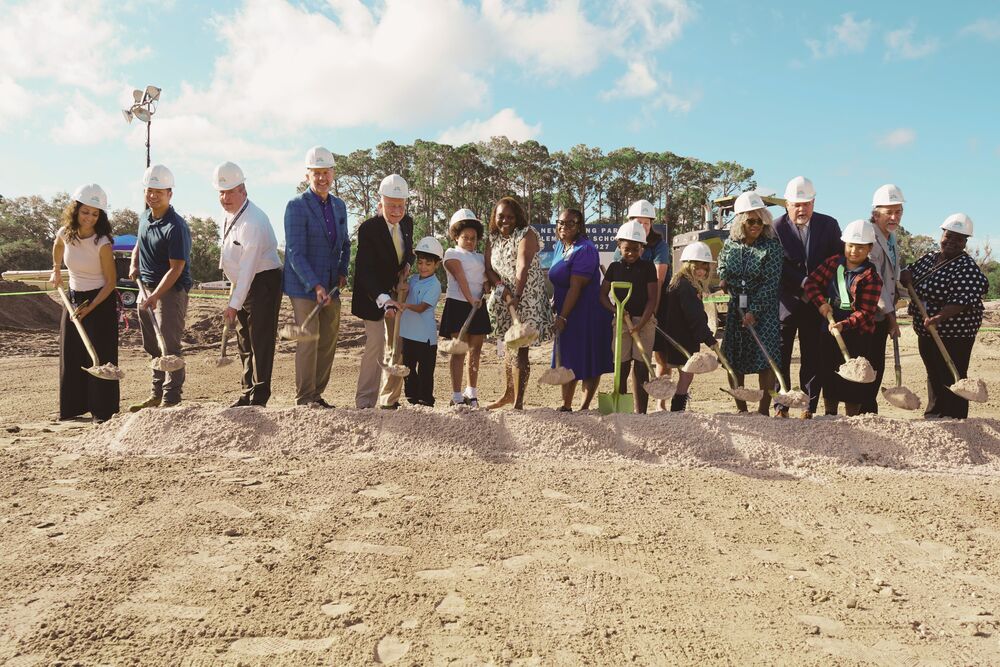
Duval County Public Schools will consolidate six elementary schools and redraw attendance boundaries for five high schools during the 2027–28 school year, the district announced November 17, as it continues efforts to right-size a system where enrollment has not kept pace with the number of school buildings.
The changes will affect families across Jacksonville, from the Westside to Mandarin, with notifications going out to impacted households in mid-November. The moves mark the latest phase of the district's "Duval Reimagine Plan," a comprehensive facilities strategy aimed at matching school capacity to student enrollment while addressing overcrowding at some campuses.
What's happening
Three new consolidated elementary schools will open for the 2027–28 school year, the district announced November 17. Picket Elementary will combine students from Pickett, Reynolds Lane, and S. A. Hull elementary schools. Spring Park Elementary will merge Spring Park, Englewood, and Love Grove elementary schools. Hogan-Spring Elementary will consolidate Hogan-Spring Glen, Englewood, and Love Grove elementary schools.
Because Englewood and Love Grove are closing as part of the consolidations, families currently zoned for those two schools will be reassigned to either Spring Park or Hogan-Spring Elementary. The district said those families would receive direct communication in mid-November confirming their new school assignment.
On the Eastside, the School Board voted November 9 to pause all planned consolidations in that area, including the previously scheduled merger of Long Branch Elementary into R. L. Brown Elementary. District leaders will now work directly with Eastside residents, families, students, and staff on a shared vision while continuing the broader right-sizing strategy.
In addition to the elementary consolidations, boundary changes approved by the board in 2025 will take effect for the 2027–28 school year at five high schools: Atlantic Coast High, Sandalwood High, Englewood High, Terry Parker High, and Mandarin High. The boundary adjustments are designed to address over-enrollment at Atlantic Coast High School. Some students may find themselves zoned to a different neighborhood school when the changes go into effect.
Venetia Elementary students and staff will continue to be temporarily housed at the former Hyde Grove Elementary campus while they await a new school building scheduled to open in August 2028.
What it means for families and neighborhoods
School consolidations and boundary changes directly affect where children attend school, how far they travel, and which neighbors share classrooms. For families in the zones affected by the elementary mergers, the reassignments may mean new bus routes, different dismissal times, and the need to build new relationships with teachers and administrators mid-childhood.
Parents who bought homes in part because of proximity to a specific school may find that calculus altered. Under Florida law, students already enrolled at a school before a boundary change typically have the option to remain at that school, but transportation is not always guaranteed. Families should confirm their grandfathering rights and bus eligibility directly with the district.
The consolidations also raise questions about what happens to the closed school buildings. Duval County has grappled with aging, underutilized facilities for years; some closed campuses are eventually sold or repurposed for district offices, early-learning programs, or community use, while others sit vacant. The disposition of Englewood, Love Grove, Reynolds Lane, S. A. Hull, and the original Pickett and Hogan-Spring Glen buildings has not been detailed in the November 17 announcement.
Impact on high school enrollment and capacity
The high school boundary changes stem from enrollment pressure at Atlantic Coast High School, which has experienced growth tied to residential development in the Southside and Baymeadows corridors. By redrawing lines to include Sandalwood, Englewood, Terry Parker, and Mandarin high schools, the district aims to balance student populations and avoid portable-classroom sprawl or double sessions.
High school boundaries carry particular weight for families because they often influence participation in specialized programs, athletics, and extracurriculars. A student rezoned from Atlantic Coast to Sandalwood, for example, may face a longer commute and a different set of Advanced Placement course offerings or sports teams. The district has not released maps showing the new boundary lines or estimates of how many students will switch schools.
The changes may also affect real-estate market perceptions. Home listings and neighborhood marketing frequently highlight school assignments, and highly rated or high-demand schools can command a premium. Atlantic Coast High, Mandarin High, and the other affected schools have distinct reputations and performance profiles; buyers and sellers will be watching to see which addresses move into or out of preferred zones.
Why Duval is consolidating schools
Duval County Public Schools is the twentieth-largest district in the United States, but enrollment has declined in recent years even as Northeast Florida's population has grown. Much of the region's new residential development has occurred in St. Johns and Clay counties, where families are drawn by newer schools and higher test scores, pulling students away from Duval.
At the same time, the district operates dozens of school buildings constructed decades ago when neighborhood enrollment patterns were different. Many schools, particularly on the Westside and Northside, now run well below capacity, driving up per-pupil facility costs and making it harder to offer full programming.
The Duval Reimagine Plan is the board's response: close or merge underutilized schools, reinvest savings in remaining campuses, and adjust boundaries to reflect where students actually live today. The strategy is not unique to Jacksonville—urban districts nationwide have pursued similar right-sizing efforts—but it remains politically sensitive, as school closures often meet resistance from alumni, neighborhood associations, and parents who value stability.
The Eastside pause and community input
The November 9 vote to pause Eastside consolidations, including the Long Branch–R. L. Brown merger, reflects those sensitivities. Eastside neighborhoods have experienced disinvestment and school closures before, and residents have pushed for a seat at the table in planning the area's educational future.
District leaders said they will collaborate directly with Eastside families, students, and staff on a shared vision. What that process looks like—whether it includes public workshops, boundary committees, or new construction—has not been spelled out. The pause does not halt the broader right-sizing effort; consolidations elsewhere in the district, including the Westside elementary mergers, remain on schedule.
What happens next
Families affected by the elementary consolidations and high school boundary changes should have received or will soon receive direct notifications from the district confirming their new school assignments. Those communications began going out in mid-November, according to the district announcement.
Parents with questions are encouraged to contact their current school principal, who the district identified as the best source of information. Additional details on the Duval Reimagine Plan, including timelines and facilities updates, are available on the district's webpage dedicated to the initiative.
The new consolidated elementary schools—Picket, Spring Park, and Hogan-Spring—will open their doors in August 2027. The high school boundary changes will take effect at the same time. Venetia Elementary's new building remains on track for an August 2028 opening, with students continuing at the former Hyde Grove campus in the interim.
No further board votes are required for the announced consolidations and boundary changes to proceed, though the district has said it will continue community engagement on the paused Eastside plans. Families seeking to appeal a boundary assignment or request a school-choice transfer should consult the district's enrollment office; transfer policies and deadlines vary by grade level and school capacity.
A district adapting to shifting growth
The 2027–28 school changes are unfolding against the backdrop of a region in flux. While Duval County grapples with under-enrollment in older neighborhoods, St. Johns County is opening new schools nearly every year to keep pace with master-planned communities such as Nocatee and SilverLeaf. Clay County is seeing similar pressures along the First Coast Expressway corridor.
For Jacksonville, the challenge is not a lack of students regionally but their distribution: growth has moved to the county's southern edge and beyond its borders, leaving legacy schools with empty classrooms. The Duval Reimagine Plan is a bet that fewer, better-resourced schools will serve students more effectively than a sprawling network of aging, half-full buildings.
Whether that strategy stabilizes enrollment, satisfies parents, and revitalizes neighborhoods will play out over the next several years as the consolidations take hold and the district turns its attention to what comes next for the Eastside and other under-enrolled areas. For now, thousands of Duval families are preparing for a new school address come August.
Sources
- Duval County Public Schools: New schools, consolidations, and boundary changes planned for 2027-28