JAXPORT renews six-year rail lease at Talleyrand Marine Terminal
The port authority's board approved a lease extension with Watco's Jacksonville Port Terminal Railroad, securing on-dock rail connections that link Northeast Florida cargo to CSX and Norfolk Southern networks.
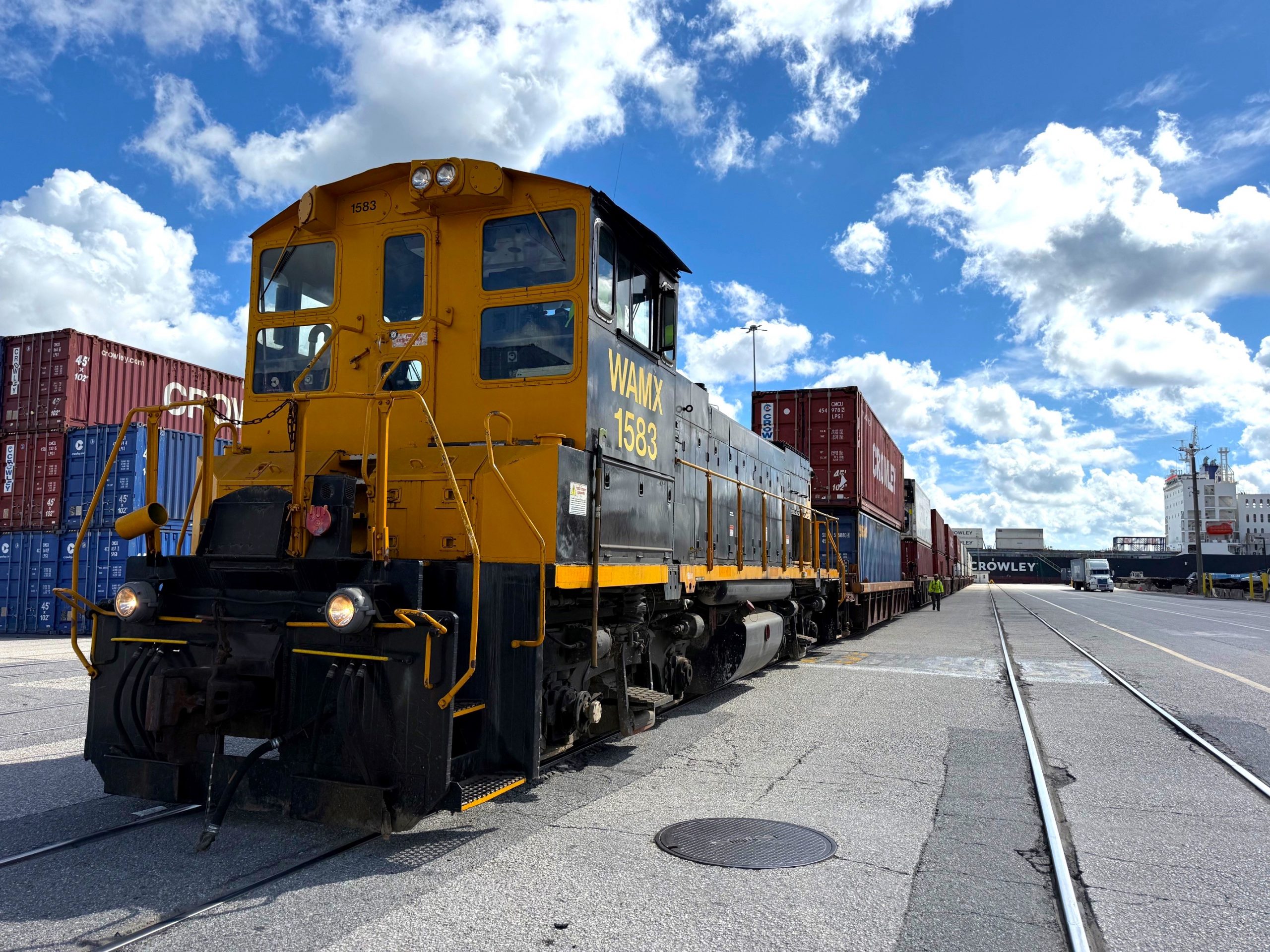
The JAXPORT Board of Directors this month approved a six-year lease renewal with Jacksonville Port Terminal Railroad, securing the continued operation of the on-dock rail system at Talleyrand Marine Terminal in Jacksonville's urban core. The agreement includes four optional one-year extensions and continues a partnership that directly connects the Northside port facility to the national freight rail network.
Jacksonville Port Terminal Railroad is a wholly owned subsidiary of Watco Companies, a Kansas-based supply chain operator that manages 46 short-line railroads across the United States and moves more than one million carloads of freight annually. The company's local subsidiary operates the rail infrastructure at Talleyrand, providing direct links to CSX and Norfolk Southern mainlines and moving cargo between the port and destinations across the country.
What's happening
The JAXPORT Board approved the lease renewal in October 2026, according to a port authority announcement. The primary term runs six years, with four optional one-year renewals available. Jacksonville Port Terminal Railroad will continue to operate the on-dock rail system at Talleyrand Marine Terminal under the agreement.
Watco Companies is described by the port as a full-service supply chain solutions provider offering rail, transloading, terminal, port, and logistics services. The company owns and operates 46 short-line railroads spanning 7,100 miles of track nationwide and handles more than one million carloads of freight each year.
Through Jacksonville Port Terminal Railroad, Watco operates rail infrastructure that provides direct connections to Class I railroads CSX and Norfolk Southern. The system moves a wide range of cargo types between the port and inland destinations throughout the United States, according to JAXPORT.
The lease renewal extends what the port describes as a longstanding partnership intended to strengthen Talleyrand's multimodal capabilities and provide port customers with efficient access to the national rail network.
Why on-dock rail matters for Northeast Florida cargo
On-dock rail—the ability for freight to move directly from ship to railcar without leaving port property—is a key competitive advantage for seaports and a central factor in supply-chain efficiency. For Talleyrand Marine Terminal, the Watco-operated rail system means cargo can be loaded onto trains and dispatched to inland markets without the additional trucking leg that off-dock rail or container yards would require.
Talleyrand handles a mix of cargo types, and the direct CSX and Norfolk Southern connections allow shippers to reach distribution centers, manufacturing plants, and retail hubs across the Southeast, Midwest, and beyond without intermediate handling. That capability can reduce transit times, lower costs, and minimize the potential for cargo damage or delays.
For logistics companies and manufacturers choosing where to route cargo, on-dock rail access is a material consideration. Ports that offer seamless intermodal connections—combining water, rail, and truck transport—tend to attract higher cargo volumes and a broader mix of customers. The lease renewal signals JAXPORT's commitment to maintaining that infrastructure advantage at Talleyrand.
The partnership with a specialized short-line operator like Watco is typical of how many U. S. ports manage on-terminal rail. Short-line railroads handle the switching, car storage, and terminal movements, then hand off to the Class I carriers for long-haul transport. Watco's national footprint and experience operating in port environments provides operational continuity and expertise that would be costly for a port authority to replicate in-house.
What this means for Talleyrand and the Northside economy
Talleyrand Marine Terminal sits along the St. Johns River in Jacksonville's urban Northside, an area that has seen renewed industrial and logistics investment in recent years. The terminal's multimodal capabilities—deepwater berths, on-dock rail, and truck access—position it as a key node in the region's freight network.
Maintaining and extending the rail lease underpins the terminal's ability to compete for diverse cargo types and sustain the industrial jobs tied to cargo handling, rail operations, and related logistics services. Watco's operations at Talleyrand support direct employment in rail switching, maintenance, and terminal coordination, and the cargo volumes moving through the facility support broader employment in trucking, warehousing, and stevedoring throughout Duval County.
The lease renewal also provides certainty for businesses that have built supply chains around Talleyrand's rail connections. Companies shipping or receiving cargo through the terminal can plan investments and contracts with confidence that the on-dock rail infrastructure will remain operational for at least the next six years, with the potential for up to ten years if all optional renewals are exercised.
For the broader Northside, sustained port activity at Talleyrand contributes to the area's industrial tax base and reinforces the corridor's role as a logistics and manufacturing hub. The terminal is part of a larger Northside industrial ecosystem that includes warehousing, cold storage, and distribution facilities, many of which depend on efficient cargo movement through JAXPORT's facilities.
How Talleyrand fits into JAXPORT's larger strategy
JAXPORT operates multiple marine terminals along the St. Johns River, each serving different cargo markets. Talleyrand is one of the older facilities but has been modernized over the years to handle containerized cargo, breakbulk, and project cargo. The terminal's on-dock rail capability distinguishes it from some of the port's other facilities and makes it particularly attractive for shippers moving large volumes to inland destinations.
The port authority's willingness to renew and extend the Watco lease reflects the strategic importance of rail connectivity in an era when supply-chain resilience and efficiency are top priorities for shippers. JAXPORT competes with ports in Savannah, Charleston, and South Florida for cargo, and multimodal infrastructure is a key differentiator.
Rail capacity is also a critical factor as the port pursues growth. Moving cargo by rail reduces the number of trucks on local roads, which eases congestion and wear on infrastructure. For every unit train that leaves Talleyrand by rail, dozens of truck trips are avoided on area highways, a benefit that resonates with both the port authority and local transportation planners.
The lease structure—six years with four optional one-year renewals—gives both parties flexibility while providing a stable foundation for long-term planning. JAXPORT secures operational continuity and avoids the disruption and cost of changing rail operators, while Watco gains the predictability needed to maintain equipment, invest in track and rolling stock, and sustain a skilled workforce.
What happens next
The lease is now in effect following the JAXPORT Board's approval in October 2026. Jacksonville Port Terminal Railroad will continue day-to-day rail operations at Talleyrand Marine Terminal, switching cars, coordinating with CSX and Norfolk Southern, and supporting the terminal's cargo customers.
No additional public approvals or regulatory steps are required for the lease renewal itself, though ongoing rail operations are subject to federal railroad safety standards and oversight by the Federal Railroad Administration. The lease's optional one-year renewals would be subject to future JAXPORT Board approval as they come due.
Port customers and logistics providers routing cargo through Talleyrand can expect operational continuity. The terminal's multimodal capabilities remain a fixture of JAXPORT's service offering, and the extended lease ensures that on-dock rail will remain a core part of that mix for the foreseeable future.
The renewal is one more indicator of the infrastructure investments and partnerships that underpin Northeast Florida's role as a growing freight gateway. As cargo volumes rise and the region's logistics sector expands, the rail connections at Talleyrand—and the companies that operate them—will continue to play a central role in moving goods efficiently between Jacksonville and the rest of the country.
Sources
- JaxPort: Port partner spotlight: Watco