
St. Johns County 2027 beach driving passes go on sale Dec. 1
Annual permits for vehicle access to eight beach ramps will be available at six county locations through February, with resident passes priced at $65 and non-resident passes at $125.
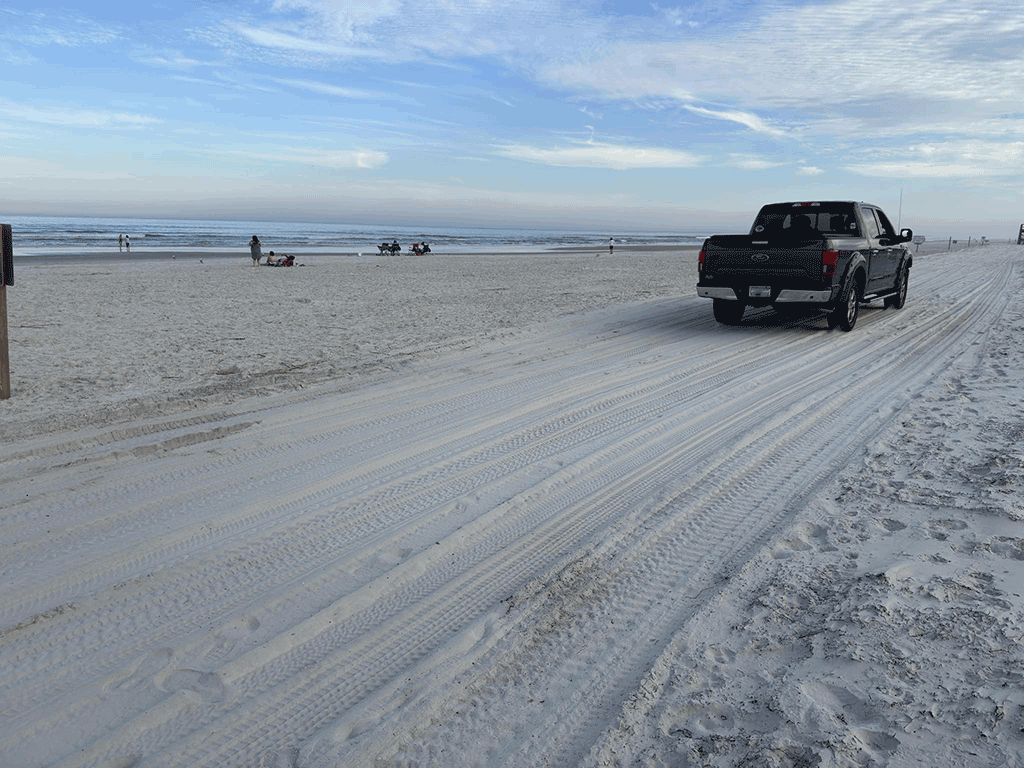
St. Johns County will begin selling 2027 beach driving passes on December 1, allowing vehicle access to eight designated beach ramps during the March-through-September season. Annual resident passes will cost $65, while non-resident passes are priced at $125, according to a county announcement.
The permits are required for beach driving from March 1 through September 30 each year. Pre-season passes will be available at six county locations through February 28, 2027, before sales shift exclusively to beach toll booths and two administrative offices once the season begins.
What's happening
St. Johns County Beach Services will offer three tiers of annual beach driving passes for 2027. Resident passes cost $65 and require a valid ID with a St. Johns County address or proof of property tax payments in the county. Non-resident passes are $125. ADA-accessible passes are available for $40 with presentation of a disabled person parking permit or proof of qualification.
Disabled military veterans qualify for one free annual pass by showing military ID or a letter from Veterans Affairs verifying disabled status. These free passes are only available at the Beach Services Office at 901 Pope Road in St. Augustine and the Pier Gift Shop at 350 A1A Boulevard.
From December 1 through February 28, 2027, pre-season annual passes will be sold during normal business hours at six locations: the Tax Collector's Main Office at 4030 Lewis Speedway in St. Augustine, the DuPont Center Office at 6658 US 1 South in St. Augustine, the Julington Creek Office at 725 Flora Branch Boulevard in St. Johns, the Ponte Vedra Office at 151 Sawgrass Corners Drive in Ponte Vedra Beach, the Beach Services Office, and the Ocean and Fishing Pier Gift Shop.
Beginning March 1, 2027, annual and daily passes will only be available at eight beach toll booth locations and the two administrative offices. The beach access ramps are Vilano Beach Ramp on Vilano Road, Porpoise Point Ramp on Porpoise Point Drive, A Street Ramp on 'A' Street, Ocean Trace Road Ramp on Ocean Trace Road, Dondanville Road Ramp on Dondanville Road, Matanzas Avenue Ramp on Matanzas Avenue, Mary Street Ramp at 5705 Gloria Avenue, and Crescent Beach Ramp on Cubbage Road. All are in St. Augustine or St. Augustine Beach.
Vehicles do not need a beach pass until March 1, 2027. Toll attendants will scan pass barcodes upon entry. The county notes that if passes are lost or misplaced, a new pass must be purchased, vehicular access is dependent on beach conditions, and all sales are final. Cash, debit, and credit cards are accepted at toll booths.
Why buy early
Purchasing a pass during the December-through-February pre-season window offers convenience that disappears once beach season begins. The six Tax Collector offices and administrative locations spread across St. Johns County—from Julington Creek in the west to Ponte Vedra Beach in the north—are accessible during normal business hours without the need to drive to a beach ramp.
After March 1, buyers must go to one of the eight beach toll booth locations or the two administrative offices. For residents in western St. Johns County communities such as Julington Creek or the World Golf Village corridor, that means a drive of fifteen to twenty-five miles to the nearest beach access point. The pre-season window allows locals to buy a pass during routine errands at a Tax Collector office.
The barcode-scanning system mentioned in the county announcement suggests an effort to streamline entry and reduce congestion at the toll booths during peak season. Drivers who arrive at a ramp without a valid pass will need to purchase one on-site, adding transaction time during busy weekend and holiday periods when beach traffic is heaviest.
What beach driving means for coastal access
St. Johns County's beach driving program is a longstanding feature of the area's coastal recreation culture, particularly popular with surf fishermen, families with small children and beach gear, and visitors who prefer the convenience of parking directly on the sand. The eight ramps span the county's Atlantic coastline from Vilano Beach in the north to Crescent Beach in the south, covering roughly fifteen miles of shoreline.
Vehicle access to beaches is far from universal in Florida—many coastal counties prohibit it entirely or restrict it to limited sections. St. Johns County's March-through-September seasonal window reflects the balance between recreational demand and environmental protection, as sea turtle nesting season runs from May through October on Northeast Florida beaches. The county's beach driving rules typically include speed limits, designated vehicle corridors, and prohibitions on driving in dune or nesting areas, though the announcement does not detail specific operating rules.
The seasonal nature of the permit requirement means that during the October-through-February off-season, beach access by vehicle is free, subject to beach conditions. This off-season window coincides with lower visitation, cooler water temperatures, and the end of turtle nesting activity.
Who uses the passes and what it costs them
The two-tier resident and non-resident pricing structure reflects a common approach in Florida local-government recreation programs: lower fees for taxpayers whose property taxes support county beach services, and higher fees for out-of-county visitors. The $60 gap between the $65 resident pass and the $125 non-resident pass is significant, nearly doubling the cost for visitors from Duval, Clay, Flagler, and other neighboring counties who frequent St. Johns beaches.
For a St. Johns County household that drives on the beach regularly—weekly surf fishing trips, for example, or routine beach outings with young children—the $65 annual pass pencils out to roughly $1. 25 per week over the seven-month season. Daily passes, available starting March 1 at the toll booths, provide an alternative for occasional users, though the county announcement does not specify daily pass pricing.
The $40 ADA-accessible pass and the free pass for disabled veterans acknowledge the mobility challenges that make vehicle access particularly valuable for some beachgoers. These reduced-cost options lower the barrier for residents with disabilities who rely on being able to drive close to the water.
Non-resident pass sales are a revenue source tied to St. Johns County's role as a regional beach destination. The county's Atlantic coastline draws day-trippers and seasonal visitors from across Northeast Florida, particularly from Jacksonville and the I-95 corridor. The beach driving program, and the fees it generates, are part of the county's beach services budget, which funds toll booth staffing, ramp maintenance, and beach management activities.
Impact on the county's coastal economy
Beach access is a cornerstone of St. Johns County's tourism economy and quality-of-life appeal. The county's beaches—stretching from Vilano through St. Augustine Beach to Crescent Beach—are a primary attraction for the roughly eight million visitors who come to the St. Augustine area annually, drawn by the historic downtown and coastal amenities.
The beach driving program supports this visitor economy by accommodating families, anglers, and others who might not otherwise spend a full day at the beach if they had to carry all their gear from a distant parking lot. Easier beach access translates to longer visits, which in turn supports spending at nearby restaurants, bait shops, convenience stores, and beach equipment rentals along the A1A corridor.
For local businesses in St. Augustine Beach and along A1A, the March 1 start of beach pass requirements marks the unofficial beginning of the busy season. The seasonal rhythm—quiet winters, busy springs and summers—shapes staffing, inventory, and hours of operation for shops and eateries that depend on beach traffic.
The pre-season sale period itself has modest economic implications: it concentrates transactions at Tax Collector offices and administrative locations in December through February, rather than at the beach ramps. This means less early-season congestion at the toll booths and a smoother start to the March 1 opening of pass requirements.
What happens next
Pre-season annual beach driving passes go on sale December 1, 2026, at the six designated county locations. Sales continue at those offices through February 28, 2027. Residents planning to drive on the beach during the 2027 season can avoid the March rush by purchasing during this window.
On March 1, 2027, the beach pass requirement takes effect, and sales shift to the eight beach toll booth locations plus the Beach Services Office and Pier Gift Shop. Daily passes become available at that time for drivers who do not want to commit to an annual permit. Toll attendants will scan barcodes at entry, so drivers should plan to stop at the booth.
St. Johns County Beach Services can be reached at 904-209-0331 for questions about pass purchases, ramp locations, or beach driving rules. The Beach Services Office at 901 Pope Road in St. Augustine is one of the two locations that will sell passes year-round, making it a resource for residents who need a pass after the pre-season window closes.
As Northeast Florida's population grows—St. Johns County remains one of the state's fastest-growing counties—demand for coastal recreation and beach access will continue to climb. The beach driving program, now in its 2027 season, is part of how the county manages that demand while maintaining the character and accessibility of its shoreline, a defining feature of the region's appeal.
Sources
- St. Johns County: 2027 Beach Driving Passes Going on Sale