
St. Johns County beaches log record 1,483 sea turtle nests in 2026
Over 110,000 hatchlings emerged from nests laid between May and October, marking the most successful nesting season on record for the endangered species in Northeast Florida.
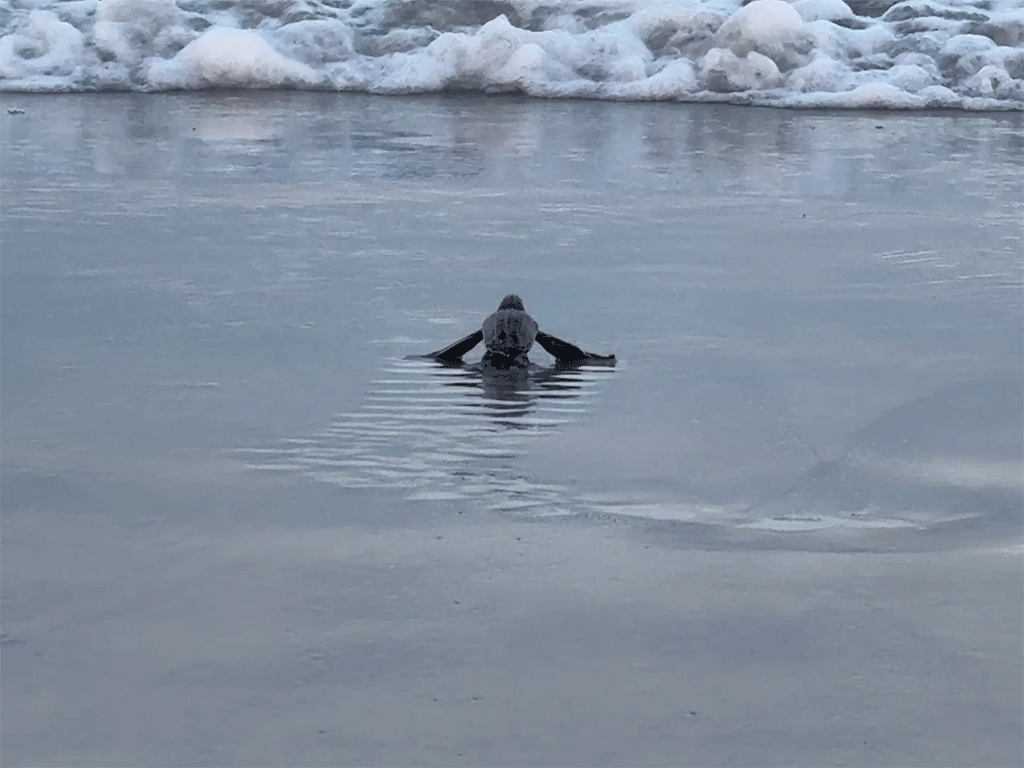
St. Johns County beaches hosted a record-breaking 1,483 sea turtle nests during the 2026 nesting season, marking the most successful year on record for the endangered reptiles along the county's coastline. The preliminary count, which runs from May 1 through October 31, exceeds the previous record of 1,205 nests set in 2023.
More than 110,000 hatchlings emerged from those nests and made their way to the Atlantic Ocean, according to estimates from the county's Habitat Conservation Plan team. The majority of nests were laid by endangered loggerhead sea turtles, with smaller numbers from leatherbacks and green sea turtles, and one confirmed nest from a Kemp's ridley sea turtle—the rarest and most endangered sea turtle species in the world.
What the numbers show
The 1,483 nests represent a 23 percent increase over the 2023 record and underscore the effectiveness of three decades of conservation efforts. Nearly 250 of those nests were laid within sections of St. Johns County beaches where vehicle access is permitted, requiring extra monitoring and protection measures.
"Hopefully most of them made it, hopefully they're out there still thriving, and maybe decades from now they'll return to our beautiful beaches to lay their own nests," said Ashley Raybould, St. Johns County Environmental Supervisor, in a video recap released by the Office of Public Affairs.
Ten groups of Florida Fish and Wildlife Conservation Commission volunteers, each comprising 20 people, helped monitor the nests throughout the six-month season. County staff deployed 11 people to rake tire ruts in front of nests approaching hatching time in the drive-on beach zones, ensuring hatchlings could navigate to the water without obstruction.
Why St. Johns County beaches attract nesting turtles
The record nesting numbers reflect the health of St. Johns County's coastal dune systems, which provide the elevated, sandy habitat sea turtles need to lay their eggs above the high-tide line. Dunes also offer natural storm protection and help regulate beach temperature—critical factors for successful incubation.
"Sea turtles need healthy dune systems to be able to lay their nests," Raybould said. "The fact that we have such healthy beaches here in St. Johns County certainly helps. "
The county's beaches stretch roughly 42 miles along the Atlantic coast, from the Duval County line near Ponte Vedra south to Flagler County, encompassing Vilano Beach, St. Augustine Beach, Crescent Beach, and Summer Haven. The wide, sandy shoreline and relatively low density of hardened structures make the area attractive to nesting females, which return to the region where they hatched.
St. Johns County operates under a federally approved Habitat Conservation Plan, a framework designed to balance public beach access—including driving in designated zones—with protections for federally listed endangered species. The plan mandates specific nest-marking protocols, nighttime lighting restrictions during nesting season to prevent hatchling disorientation, and dune restoration efforts.
How beach management supports hatchling survival
The nearly 250 nests laid in vehicle-access zones presented the most logistically intensive challenge of the season. Standard nest-marking involves small stakes and flagging tape, but nests in drive-on areas received more visible markers to alert drivers. County staff also raked tire ruts—compressed sand ridges left by vehicles—immediately in front of nests as hatching windows approached.
Without raking, tire ruts can act as barriers that trap or disorient hatchlings, delaying their trek to the ocean and increasing exposure to predators and dehydration. The additional labor reflects the tradeoffs embedded in the county's Habitat Conservation Plan, which preserves beach driving—a longstanding tradition and economic draw—while mitigating its impact on wildlife.
Nighttime lighting is another managed risk. Hatchlings instinctively move toward the brightest horizon, which in natural conditions is the moonlit ocean. Artificial light from beachfront development can lure them inland. St. Johns County's beach lighting ordinance requires shielded, downward-facing fixtures and seasonal dimming or extinguishing of lights visible from the sand during nesting season. Compliance monitoring is part of the Habitat Conservation Plan's annual reporting to federal wildlife agencies.
Public education also plays a role. Beachgoers are asked to remove chairs, umbrellas, and toys at the end of the day—objects that can obstruct hatchlings or trap them in the shade—and to fill in holes dug in the sand, which can become pitfalls for tiny turtles.
The decades-long timeline of sea turtle recovery
Raybould emphasized that this year's record is the product of conservation decisions made long before most of this year's hatchlings' parents were born. Sea turtles take up to 30 years to reach sexual maturity, meaning the adults that nested in 2026 likely hatched in the mid-1990s, when regulatory protections—federal Endangered Species Act listings, turtle excluder devices on shrimp trawls, and nesting-beach safeguards—were being implemented and enforced.
"The current increase in sea turtle populations can be partly attributed to regulations put in place over three decades ago," Raybould said. The lag between conservation action and measurable population response underscores the need for sustained, long-term habitat stewardship.
Loggerhead sea turtles, which accounted for the majority of St. Johns County nests, are listed as threatened under the Endangered Species Act. The Northwest Atlantic population, which nests on Florida beaches, is considered a recovery priority. Green sea turtles, also threatened, have shown population growth in recent decades. Leatherbacks are listed as endangered globally, though the Florida nesting population is small. Kemp's ridley sea turtles remain critically endangered; the single confirmed nest in St. Johns County this year is a notable event, as the species nests primarily in the Gulf of Mexico.
The 110,000 hatchlings that emerged in 2026 face steep odds: studies estimate that only one in 1,000 to one in 10,000 sea turtle hatchlings survive to adulthood, depending on species and local conditions. Predation, ocean plastic ingestion, fishing-gear entanglement, boat strikes, and climate-driven shifts in ocean currents and food availability all take a toll during the decades-long journey to maturity.
What this means for St. Johns County's coastline
The record nesting season offers a measure of ecological stability in a region undergoing rapid residential and tourism growth. St. Johns County's population has grown by more than 30 percent since 2010, adding thousands of homes near the coast and increasing pressure on beach infrastructure and habitat.
The success of the 2026 season suggests that the county's regulatory framework—lighting ordinances, dune protection rules, and vehicle-access restrictions—is functioning as designed. It also highlights the ongoing need for enforcement and public cooperation, particularly as new beachfront development continues.
For property owners and developers, the Habitat Conservation Plan imposes real constraints: beachfront construction must comply with lighting and landscaping standards, and projects that affect dune habitat require additional review. For visitors and residents, the ask is simpler but essential: leave the beach as you found it, respect posted nest areas, and keep dunes undisturbed.
Tourism and real-estate marketing in St. Johns County often emphasize the "pristine" and "natural" character of the beaches. The turtle nesting numbers provide quantifiable support for those claims and underscore the economic value of maintaining beach health. Ecotourism, including permitted sea turtle walks and educational programs, draws visitors and generates revenue for local guides and hospitality businesses.
What happens next
The 2026 nesting season is now closed, and the county's Habitat Conservation Plan team is finalizing its annual report to the U. S. Fish and Wildlife Service and the Florida Fish and Wildlife Conservation Commission. Those reports document nest counts, hatching success rates, threats encountered, and management actions taken, and they inform adjustments to the conservation plan.
The nests laid in 2026 have all hatched or been evaluated by biologists; any unhatched eggs are examined to determine causes—infertility, temperature extremes, predation, or inundation from storms. That data helps predict future trends and refine nest-protection protocols.
Year-round beach stewardship remains critical. County officials urge residents and visitors to dispose of trash in designated bins, take home all personal items, and stay off dunes to preserve the vegetation that stabilizes sand and provides nesting substrate. Dune walkovers—the elevated boardwalks that cross dunes—are the designated access points and should be used instead of trampling vegetation.
The county's Office of Public Affairs encourages residents to subscribe to e-newsletters for updates on beach conditions, conservation programs, and environmental initiatives tied to the county's strategic plan.
The broader Northeast Florida context
St. Johns County's record is part of a broader pattern of sea turtle nesting success across Northeast Florida's Atlantic beaches. Duval County beaches, including those managed by the city of Jacksonville and the Beaches municipalities, also report nesting activity, as do Flagler County's shores to the south. Regional coordination among county environmental teams, state wildlife officers, and volunteer networks ensures consistent monitoring and data standards.
The health of the coastal ecosystem—anchored by dune systems, clean sand, and managed human use—supports not only sea turtles but shorebird populations, dune vegetation communities, and the resilience of the shoreline itself against storms and erosion. As Northeast Florida continues to grow, the 2026 nesting season serves as both a success story and a reminder that preservation of the region's natural assets requires ongoing vigilance, funding, and public commitment across the decades-long timescales on which these species operate.